4th of July Fireworks Safety Tips
Every Independence Day, families across the United States look forward to dazzling 4th of July fireworks displays that light up the night sky. But with the excitement comes serious risk. According to the latest U.S. Consumer Product Safety Commission (CPSC) data, an estimated 14,700 people were injured by fireworks in 2024, with 11 reported deaths—numbers that highlight why 4th of July fireworks safety must be the top priority. This comprehensive guide covers the most searched fireworks safety topics, including official tips, legal requirements, child and pet protection, emergency response, and safer celebration alternatives. Whether you’re searching for “fireworks safety tips,” “fireworks laws by state,” “pet safety during fireworks,” or “how to treat fireworks burns,” you’ll find clear, actionable advice here to keep your holiday injury-free.
Why 4th of July Fireworks Safety Matters: The Real Risks
Fireworks injuries spike dramatically around the 4th of July. The CPSC reports that burns account for 37% of emergency room visits, while hands, fingers, heads, faces, and ears are the most commonly affected body parts. Children and young adults suffer the highest rates, with adults ages 25–44 making up 32% of injuries and those 15–24 accounting for another 24%. Sparklers alone caused an estimated 1,700 ER visits in 2024, despite the common myth that they are “safe” for kids.
Beyond injuries, fireworks start an average of 19,000 fires annually, according to the National Fire Protection Association (NFPA). These incidents damage homes, vehicles, and natural areas—especially during dry summer months. Hearing loss from the loud explosions and air pollution from chemical residues are also rising concerns in searches for “fireworks safety.” The good news? Most tragedies are preventable when you follow proven 4th of July fireworks safety tips from the CPSC, NFPA, and local fire departments.
Public professional displays remain the safest option. Experts unanimously recommend leaving the pyrotechnics to trained professionals and enjoying the show from a designated viewing area. But if you choose consumer fireworks where legal, strict adherence to safety rules is non-negotiable.
Fireworks Laws and Regulations: Know Before You Buy
One of the top searched terms around the holiday is “fireworks laws” or “are fireworks legal in my state?” Rules vary widely. Some states ban all consumer fireworks, while others allow only sparklers or specific “safe and sane” items. Always check your local ordinances and the state fire marshal website before purchasing.
Key legal points to remember:
- Purchase only fireworks labeled for consumer use from licensed retailers.
- Avoid professional-grade devices sold illegally online or in brown packaging—these are often too powerful for backyard use.
- Follow local noise ordinances, which may restrict times or prohibit certain loud fireworks.
- Never transport or use fireworks across state lines if prohibited in your destination.
Buying fireworks safely also means reading labels thoroughly. Look for clear instructions, age restrictions, and storage guidelines. If a product seems questionable or lacks proper labeling, leave it on the shelf. Responsible purchasing is the first step in 4th of July fireworks safety.
Essential Fireworks Safety Tips for a Safe Celebration
The CPSC and NFPA provide straightforward, life-saving guidelines that address the most common mistakes. Here are the official 4th of July fireworks safety tips every adult should follow:
1. Never Let Children Handle Fireworks—Including Sparklers
Sparklers burn at up to 2,000 degrees Fahrenheit—hot enough to melt metal. Young children lack the coordination and judgment to use them safely. The CPSC explicitly states: “Never allow young children to play with or ignite fireworks, including sparklers.” Opt for glow sticks, LED light-up toys, or confetti poppers instead. Older children should only participate under constant adult supervision.
2. Designate One Responsible Adult and Create a Safety Zone
Only sober adults (no alcohol or drugs) should light fireworks. Establish a clear safety perimeter: 35 feet for ground devices like fountains and up to 150 feet for aerial fireworks. Keep spectators well back and never allow anyone to stand directly over a firework when lighting it.
3. Prepare for Emergencies Before Lighting Anything
Have a bucket of water or a garden hose ready at all times. Keep a fire extinguisher nearby and a first-aid kit stocked with burn dressings. Wear eye protection and closed-toe shoes. Avoid loose clothing that could catch sparks.
4. Light One Firework at a Time and Never Relight “Duds”
After lighting, move back immediately. If a firework fails to ignite, do not approach or relight it. Wait at least 20 minutes, then soak it thoroughly in water before disposal. Never place fireworks in glass or metal containers—these can shatter or turn into dangerous shrapnel.
5. Store and Dispose of Fireworks Properly
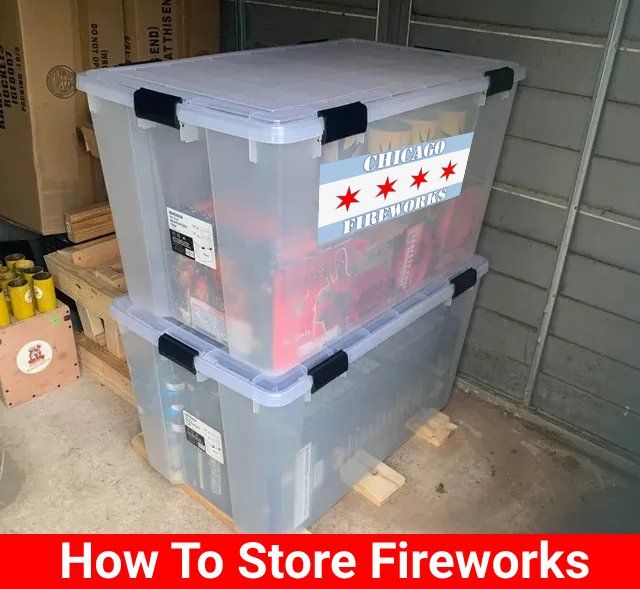
Keep unused fireworks in a cool, dry place away from ignition sources. After the show, soak all spent devices in water overnight before throwing them away. Never dispose of fireworks in trash cans indoors or near flammables.
Pet Safety During 4th of July Fireworks: Keep Dogs and Cats Calm
“Calm dog fireworks” and “pet safety during fireworks” rank among the most searched phrases every July. Loud explosions trigger extreme anxiety in pets, leading to escape attempts, destructive behavior, or even injury. Here’s how to protect your furry family members:
- Keep pets indoors in a quiet, darkened room with familiar toys, blankets, and white noise (TV or music) to mask booms.
- Close curtains and blinds to block flashing lights.
- Provide comfort items like thunder shirts, pheromone diffusers, or vet-approved calming treats.
- Never leave pets outside or tied up—fireworks can cause them to panic and run away.
- Update microchip and ID tags in case of escape.
- Consult your veterinarian before the holiday about anxiety medication if your pet has a history of severe reactions.
These steps address the noise ordinance and hearing concerns that many pet owners search for. Professional displays viewed from indoors are ideal for households with anxious animals.
Fireworks Safety for Kids: Protecting the Next Generation
Children account for a disproportionate share of fireworks injuries. “Fireworks safety for kids” and “sparkler safety” are frequent search terms because parents want to include little ones without risking harm. The safest approach is to attend only public shows. If backyard fireworks are part of your tradition, enforce these rules:
- Adults light everything—kids watch from a safe distance.
- Teach children never to pick up or play with fireworks, even “spent” ones.
- Supervise sparklers with one child at a time and keep a water bucket within arm’s reach.
- Explain the rules in advance and designate a “no-touch” zone.
Emphasize that fireworks are not toys. Role-playing safe behavior before the holiday reinforces the message.
What to Do If a Fireworks Injury or Burn Occurs
Despite best efforts, accidents happen. “Fireworks burn treatment” and “what to do after fireworks injury” are common emergency searches. Immediate action saves lives and reduces long-term damage:
For Burns
Cool the area with running water for 20 minutes. Do not use ice, butter, or ointments. Cover with a clean, dry cloth and seek medical help for any blistering, large area, or facial burn. Call 911 for severe cases involving breathing difficulty or chemical exposure.
For Eye Injuries
Do not rub or remove debris. Shield the eye and get to an ER immediately—eye damage from fireworks can cause permanent vision loss.
For Other Injuries
Apply direct pressure to the bleeding and treat for shock. Have emergency numbers and your location ready. Knowing basic first aid turns a potential tragedy into a manageable incident.
Safer Alternatives to Backyard Fireworks
The NFPA’s core message is simple: “The only safe way to enjoy fireworks is to attend a professional public display.” Consider these popular, injury-free options that still capture the festive spirit:
- Attend community fireworks shows.
- Use glow sticks, sparkler substitutes, laser light shows, or drone light displays.
- Host a patriotic movie night with backyard projectors and themed snacks.
- Organize a flag-waving parade or DIY bubble station for kids.
These alternatives deliver the wow factor without the risk, addressing the growing public demand for safer 4th of July celebrations.
Final Thoughts: Make Safety Part of the Tradition
4th of July fireworks safety isn’t about ruining the fun—it’s about protecting the people and memories that make the holiday special. By following CPSC guidelines, checking local fireworks laws, prioritizing child and pet safety, and preparing for emergencies, you can enjoy a spectacular, injury-free celebration. Share this guide with friends and family so everyone starts the search for “fireworks safety tips” with the right information.
Remember: When in doubt, leave it to the professionals. A safe holiday is the best way to honor the spirit of Independence Day. Have a happy, responsible 4th of July!